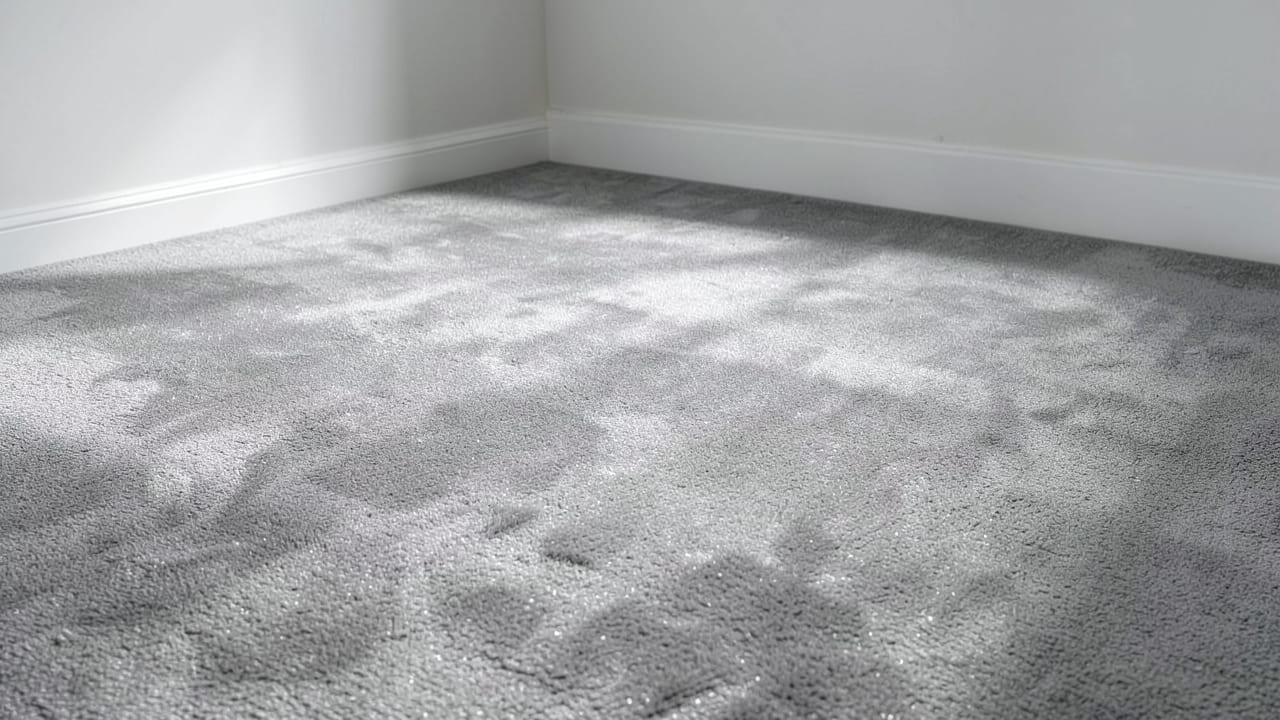
Carpet Mold Treatment
Professional assessment and removal of mold growth from carpets to restore a safe indoor environment.
Carpet mold treatment in Rockledge, FL addresses hidden mold growth in carpets and padding caused by moisture exposure or poor ventilation. Unlike surface cleaning, this process involves containment, removal of porous materials, HEPA filtration, structural drying, and independent clearance testing to prevent regrowth and cross-contamination.
Florida regulations require separate roles for assessment and remediation to avoid conflicts of interest, ensuring thorough and compliant work.
We also handle Pet Urine Mold Treatment and Salt Air Mold Remediation for Rockledge properties.
When carpet mold treatment is needed
Mold in carpets often goes unnoticed until it spreads beyond a small patch or returns after cleaning. In Rockledge’s humid climate, moisture from leaks, poor ventilation, or high humidity creates ideal conditions for hidden growth.
Signs include visible stains, a musty odor, or mold reappearing in the same spot, all of which indicate the problem has likely exceeded safe DIY limits.
Florida law treats mold covering more than 25 contiguous square feet as requiring professional remediation. If mold keeps returning or smells persist even after cleaning, the moisture source—like a leak or condensation—hasn’t been addressed.
Without fixing the root cause, visible mold may disappear temporarily, but spores remain, leading to faster regrowth.
Signs Your Carpet Needs Professional Mold Treatment
- Mold covers more than a small, isolated patch (over 25 sq ft, per Florida law).
- Visible stains or discoloration that don’t fade after cleaning.
- A musty smell that worsens when HVAC runs or lingers in damp rooms.
- Mold returns within weeks of being cleaned, suggesting moisture isn’t fixed.
- Carpet padding or subfloor feels damp to the touch, indicating hidden growth.
What affects cost and timeline
The scope of carpet mold treatment varies based on the size of the affected area, the type of mold, and whether hidden moisture sources need addressing. Black mold or extensive growth typically requires more containment, removal, and drying time than surface-level mold.
Florida’s licensing rules also add steps, as assessment and remediation must be done by separate entities within a 12-month period.
Pricing reflects the labor, materials, and equipment needed—such as HEPA filtration, industrial dehumidifiers, and containment barriers. A single room with surface mold might cost between $510 and $2,020, but hidden growth or black mold can push costs higher.
Timelines depend on drying requirements; structural drying can take days to ensure mold doesn’t return.
Why containment and testing matter
During treatment, plastic sheeting and negative-air machines seal off the work area to prevent spores from spreading to unaffected parts of your home. Disturbing mold without containment risks turning a small job into a larger, more expensive one.
HEPA air scrubbers and vacuums capture spores that standard equipment would recirculate, ensuring cleaner air during and after the process.
Clearance testing by an independent third party confirms the job is complete. Without it, there’s no way to verify whether spores remain. Florida’s rules prohibit the same company from assessing and remediating the same property within a year, reducing conflicts of interest and ensuring unbiased results.
Skipping containment or using non-HEPA equipment recirculates spores, worsening contamination. Paying upfront without a written scope leaves you vulnerable to unexpected costs. Signing a contract during the inspection visit may skip your chance to compare bids or confirm licensing.
How carpet mold treatment works
This process prioritizes containment, removal, and drying to prevent regrowth and cross-contamination.
- 1Inspection and Containment
A licensed assessor inspects the carpet and padding for mold, then a remediator seals the area with plastic sheeting and negative-air machines to trap spores during removal.
- 2Removal of Porous Materials
Carpet padding and any drywall or insulation absorbing mold are cut out and bagged, as these materials cannot be fully cleaned. Non-porous surfaces like tile or framing are scrubbed and treated.
- 3HEPA Filtration and Drying
HEPA air scrubbers run continuously, and surfaces are vacuumed with HEPA equipment to capture spores. Industrial dehumidifiers and air movers dry the subfloor and framing to prevent moisture-related regrowth.
- 4Clearance Testing
An independent lab tests air or surfaces for remaining spores. Only after clearance is confirmed is the containment removed, ensuring the space is safe.
Frequently asked questions
Can I clean small carpet mold myself, or should I call a professional?
If the mold covers less than 25 square feet and hasn’t returned after cleaning, DIY solutions like vinegar or detergent may help. However, if it’s black mold, covers a larger area, or keeps coming back, professional treatment is recommended to address hidden moisture and prevent spread.
How long does it take to treat mold in carpets, and will my home be safe to use during the process?
Treatment typically takes 1–3 days, depending on drying time. The work area is sealed off during remediation, so unaffected rooms remain safe. Avoid using those spaces until containment is removed and clearance testing is complete.
What causes mold to keep coming back in the same spot after treatment?
Regrowth usually means the moisture source—like a leak, condensation, or poor ventilation—wasn’t fixed. Without addressing humidity or airflow issues, mold spores will re-establish themselves on damp materials.
Do I need to replace my carpet if it has mold, or can it be saved?
If the mold is confined to the surface and padding isn’t saturated, professional cleaning and drying may restore the carpet. However, if padding or subfloor is heavily contaminated, removal and replacement are often necessary to prevent lingering spores.
Where Rockledge sits, and what the Census lists nearby
Rockledge sits in Florida, and the closest places listed in the U.S. Census Gazetteer are Cocoa West (3.3 miles northwest), Merritt Island (3.9 miles east), Cocoa (4.1 miles north), Viera East (4.3 miles south). Within 25 miles of Rockledge the same source lists 27 distinct incorporated places and census-designated places.
Those figures matter for carpet mold treatment because they are straight-line distances between Census coordinate points: road mileage between Rockledge and Cocoa West runs longer than the 3.3 miles shown, which is why quotes for the same job differ between towns that look close together on a map.
Source: U.S. Census Bureau Gazetteer.
See Tropical Park, FL for more, or discover our complete Rockledge service list at a glance for our complete lineup.
Ready to get started?
Talk to a local mold remediation pro in Rockledge — get a written quote.
Other Mold Remediation Services in Rockledge
Pet Urine Mold Treatment in Rockledge, FL
Professional removal of mold caused by pet urine in homes, including assessment and treatment.
Learn More
Salt Air Mold Remediation in Rockledge, FL
Professional mold assessment, containment, removal, and prevention in affected areas of the home.
Learn More
Pest Infestation Mold Remediation in Rockledge, FL
Professional mold removal and remediation for pest-related infestations in homes.
Learn More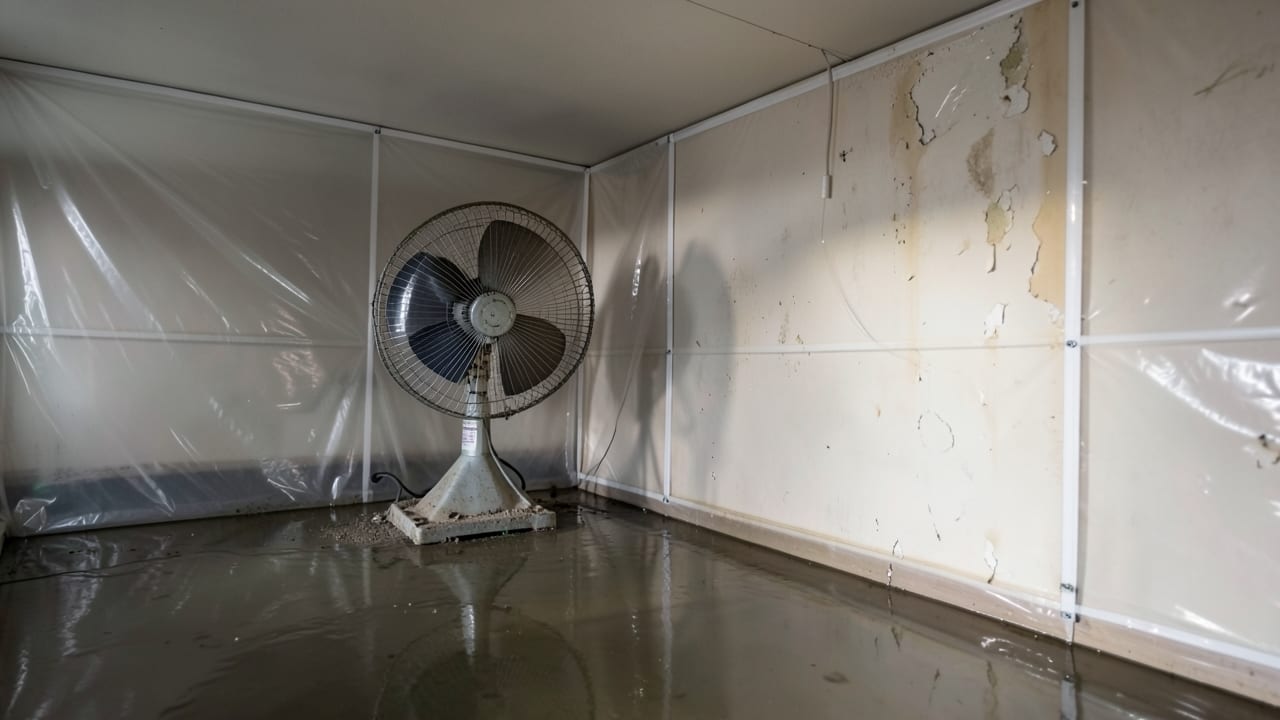
Storm Damage Mold Cleanup in Rockledge, FL
Professional cleanup and remediation of mold caused by storm-related water damage in homes.
Learn More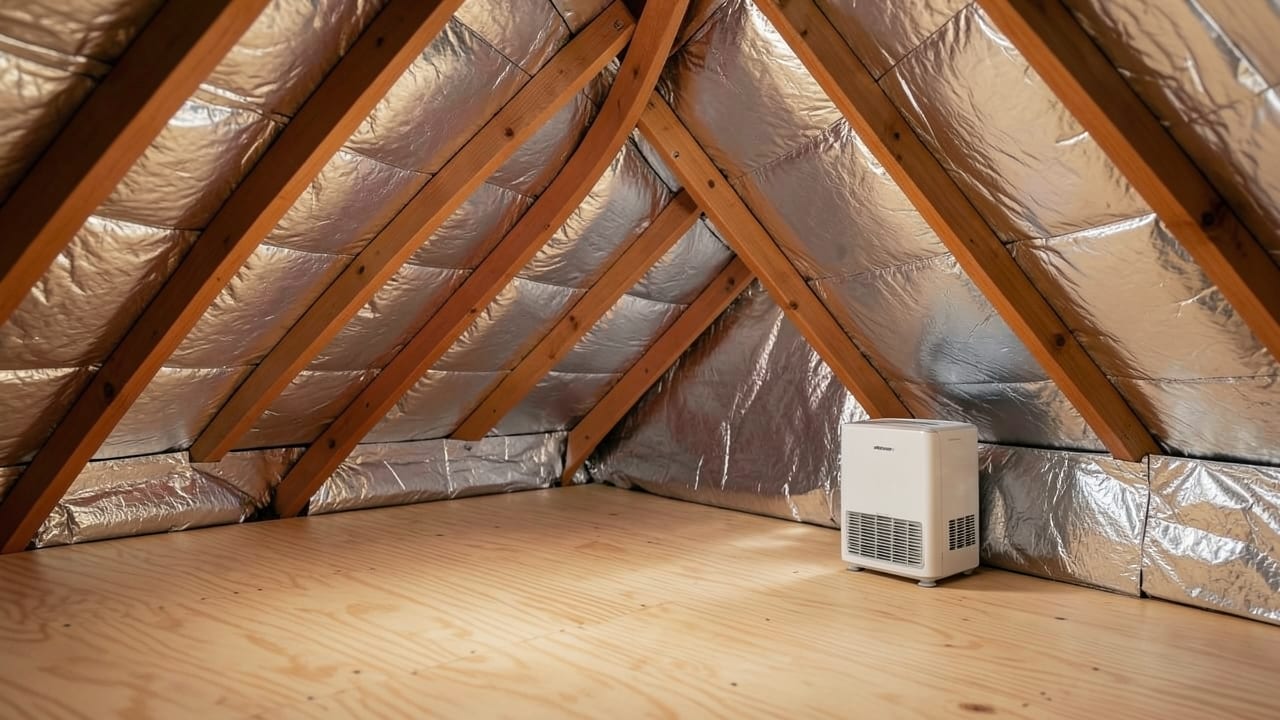
Pre-Winter Mold Prevention in Rockledge, FL
Pre-winter mold prevention involves inspection and treatment to stop mold growth before cold weather.
Learn More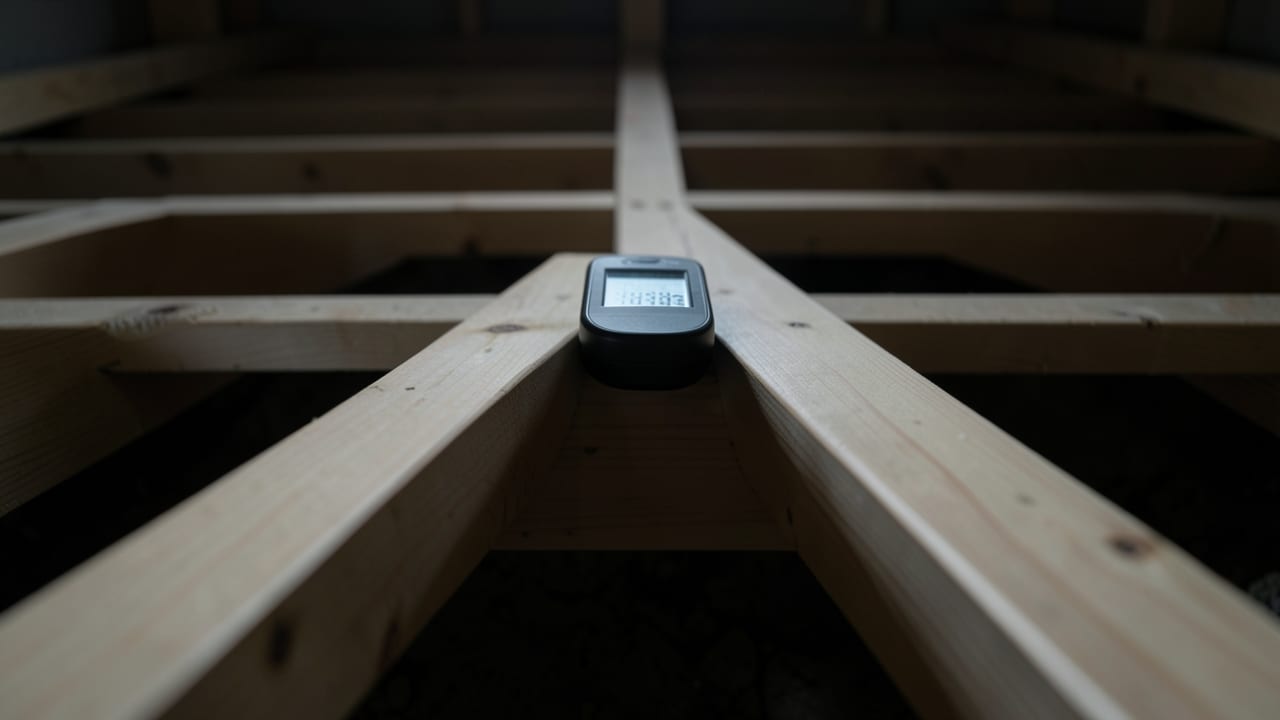
Spring Mold Inspection in Rockledge, FL
Professional assessment and identification of mold growth in homes.
Learn MoreCommon Questions About Mold Remediation in Rockledge
Everything you need to know about mold remediation services in Rockledge
How much does Carpet Mold Treatment typically cost in Rockledge, FL?
Why does Rockledge, FL's humidity make mold a bigger risk than in drier regions?
How does mold remediation actually prevent the problem from coming back?
Can mold growing inside HVAC ductwork spread to the rest of a home?
Does mold mean the same thing as mildew?
Does homeowners insurance typically cover mold remediation?
Need Mold Remediation in Rockledge?
Connect with local providers in Rockledge for a detailed quote.
⏰ We answer your call • Serving all of Rockledge and surrounding areas