Common Mold Hiding Spots in Rockledge Homes and How We Find Them
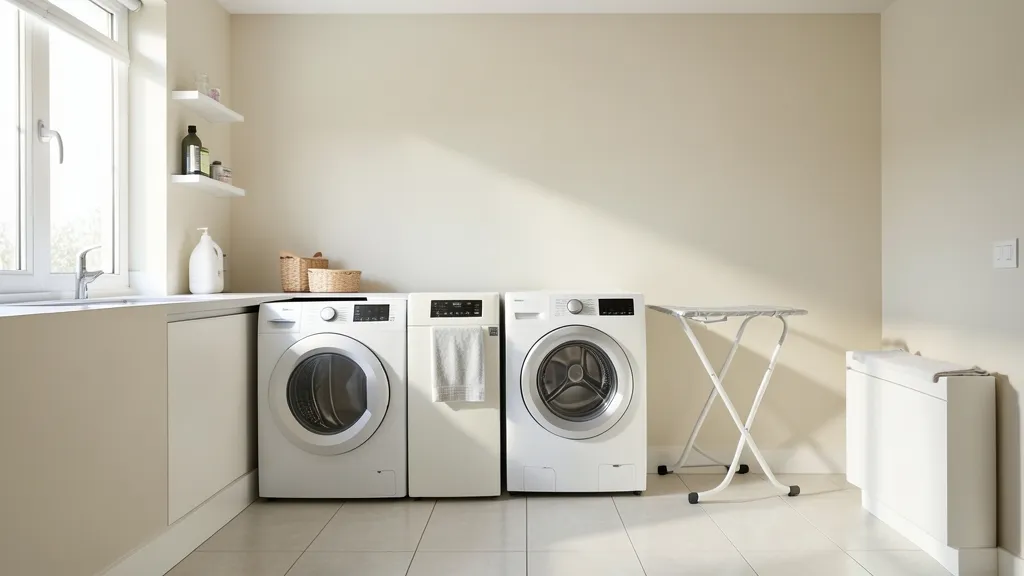
Mold thrives in the hidden, damp corners of homes—especially in Rockledge’s humid, subtropical climate. We’ve seen it lurk behind walls, under floors, and inside systems most homeowners never think to check. Early detection is key to preventing costly remediation and health risks.
Why Mold Loves Rockledge’s Climate
Florida’s warmth and humidity create the perfect breeding ground for mold. Rockledge’s proximity to the Indian River Lagoon and frequent summer storms only amplify moisture issues indoors.
Without proper ventilation or moisture control, spores take hold within 24–48 hours of water exposure. Even minor leaks or condensation can trigger growth in attics, crawl spaces, or basements.
Top Indoor Hiding Spots for Mold
Attics are prime targets, especially with poor ventilation or roof leaks. Insulation and wood framing trap moisture, feeding colonies unseen for months.
Crawl spaces in older Rockledge homes often lack vapor barriers. Dirt floors and wooden joists absorb groundwater vapor, creating a mold paradise below.
Basements—common in neighborhoods near Cocoa or Viera—are notorious for high humidity. Concrete walls wick moisture, and finished spaces hide growth behind drywall.
HVAC systems circulate spores throughout the home. Ductwork, coils, and drip pans collect condensation, especially in our AC-heavy climate.
The Sneakiest Spots Most Homeowners Miss
Behind drywall, especially after plumbing leaks or window condensation. Even small water stains can signal a larger hidden problem.
Under sink cabinets in kitchens and bathrooms. Slow drips from pipes or loose connections go unnoticed until mold spreads to subflooring.
Inside wall cavities around electrical outlets or baseboards. Thermal bridging can cause condensation, promoting growth in these tight spaces.
Within carpet padding, particularly in rooms with poor airflow or past water damage. Mold can thrive undetected until it becomes a musty odor or health concern.
A persistent earthy or musty smell is often the first sign of hidden mold. By the time you notice it, colonies may already be well-established.
How Professionals Detect Hidden Mold
We start with a thorough visual inspection, using moisture meters to identify elevated humidity in walls, floors, and ceilings. Infrared thermal imaging helps us spot temperature differences that indicate moisture.
Air quality testing captures mold spores in the air, even when colonies aren’t visible. We compare indoor spore counts to outdoor baselines to assess contamination levels.
Surface sampling—via tape lifts or swabs—confirms the presence of mold on materials. This helps us identify the species and tailor remediation strategies.
Borescope cameras allow us to inspect inside wall cavities, ductwork, and other tight spaces without unnecessary demolition.
DIY Detection vs. Professional Mold Inspection
Home test kits can confirm mold presence, but they lack the precision of lab analysis. They don’t pinpoint the source or extent of contamination.
Professionals use calibrated tools to measure moisture levels, air quality, and hidden growth. We interpret results in the context of your home’s specific conditions and local climate factors.
| Method | Accuracy | Scope | Cost Factors |
|---|---|---|---|
| Home Test Kit | Limited (species ID only) | Surface-level only | Kit price + lab fees |
| Moisture Meter (DIY) | Basic (no spore data) | Visible areas only | Tool cost |
| Professional Inspection | High (lab-backed, comprehensive) | Full home, hidden areas | Time, equipment, lab analysis |
| Thermal Imaging | High (identifies moisture sources) | Walls, ceilings, ductwork | Equipment and expertise |
Signs You Might Have Hidden Mold
Unexplained allergies or respiratory issues that worsen at home. Mold spores can trigger asthma, sinusitis, or skin irritation in sensitive individuals.
Water stains on ceilings or walls, even if they’re old or seem dry. Past leaks often leave behind lingering moisture and mold.
Peeling paint or wallpaper, which can indicate high humidity or water intrusion behind the surface.
Warped or buckling flooring, especially in areas prone to moisture like bathrooms, kitchens, or near entryways.
Rockledge’s heavy rain and hurricane season often lead to hidden water intrusion. Inspect your home thoroughly after major weather events.
What to Do If You Suspect Hidden Mold
Avoid disturbing the area, as this can release spores into the air. Don’t attempt to clean large or hidden infestations yourself—improper handling can worsen contamination.
Isolate the area if possible, and turn off HVAC systems to prevent spores from spreading. If water damage is ongoing, address the source immediately to stop further growth.
Contact a professional for mold testing and inspection. We’ll determine the extent of the problem and recommend a remediation plan tailored to your home.
Preventing Mold in Rockledge’s Humid Environment
Control indoor humidity with dehumidifiers, especially in basements, crawl spaces, and attics. Aim for 30–50% relative humidity to discourage growth.
Ensure proper ventilation in bathrooms, kitchens, and laundry rooms. Exhaust fans should vent outdoors, not into attics or crawl spaces.
Inspect and maintain your HVAC system regularly. Clean or replace filters, and check drip pans and ductwork for moisture buildup.
Address leaks promptly, whether from roofs, pipes, or windows. Even small drips can lead to major mold problems over time.
Mold Prevention Checklist for Rockledge Homeowners
- Use dehumidifiers in high-moisture areas
- Install and maintain exhaust fans in bathrooms and kitchens
- Inspect roofs, gutters, and downspouts annually
- Check under sinks and around appliances for leaks
- Seal gaps in windows and doors to reduce condensation
- Schedule annual HVAC maintenance
How to Inspect for Mold in Common Hiding Spots
A quick, safe way to check for visible signs of mold before calling in the pros.
- 1Gather Tools
Use a flashlight, moisture meter (if available), and a screwdriver to gently remove baseboards or vent covers for a closer look.
- 2Check Attics and Crawl Spaces
Look for water stains, discoloration, or musty odors on insulation, wood, or subflooring. Pay attention to areas near vents or chimneys.
- 3Inspect Under Sinks and Appliances
Pull out items stored under sinks and check for leaks, water damage, or mold on pipes, cabinets, or walls.
- 4Examine Walls and Ceilings
Scan for discoloration, peeling paint, or bulging drywall. Use a moisture meter to check for elevated levels behind surfaces.
- 5Look Inside HVAC Systems
Remove and inspect air vents and filters for dust buildup or mold. If you suspect ductwork contamination, call a professional for a thorough assessment.
- 6Document Findings
Take photos and notes of any signs of mold or moisture. This helps professionals target their inspection and remediation efforts.
Frequently Asked Questions
How common is hidden mold in Rockledge homes?
Very. Our climate’s high humidity and frequent storms create ideal conditions for mold to grow undetected. Older homes, especially in areas like Cocoa or Merritt Island, are particularly vulnerable due to aging infrastructure and poor ventilation.
Can hidden mold affect my health?
Yes. Prolonged exposure to mold spores can cause respiratory issues, allergies, headaches, and skin irritation. Those with asthma, immune disorders, or mold sensitivities are at higher risk.
What’s the difference between mold testing and mold inspection?
Mold testing involves collecting samples (air, surface, or bulk) to identify spore types and concentrations. Mold inspection is a visual and technical assessment of your home to locate moisture sources and hidden growth. We often combine both for a comprehensive evaluation.
How quickly can mold spread in a home?
Mold can begin growing within 24–48 hours of water exposure. In ideal conditions (high humidity, organic materials, and poor airflow), colonies can spread rapidly, sometimes covering large areas within a week.
Do I need to leave my home during mold remediation?
It depends on the extent of the contamination. For small, contained areas, you may not need to relocate. However, large infestations—especially in living spaces or HVAC systems—often require temporary evacuation to ensure safety during cleanup.
Can mold return after remediation?
Yes, if the underlying moisture issue isn’t resolved. Effective remediation includes not only removing mold but also addressing the source of water or humidity. We recommend moisture control solutions to prevent recurrence.